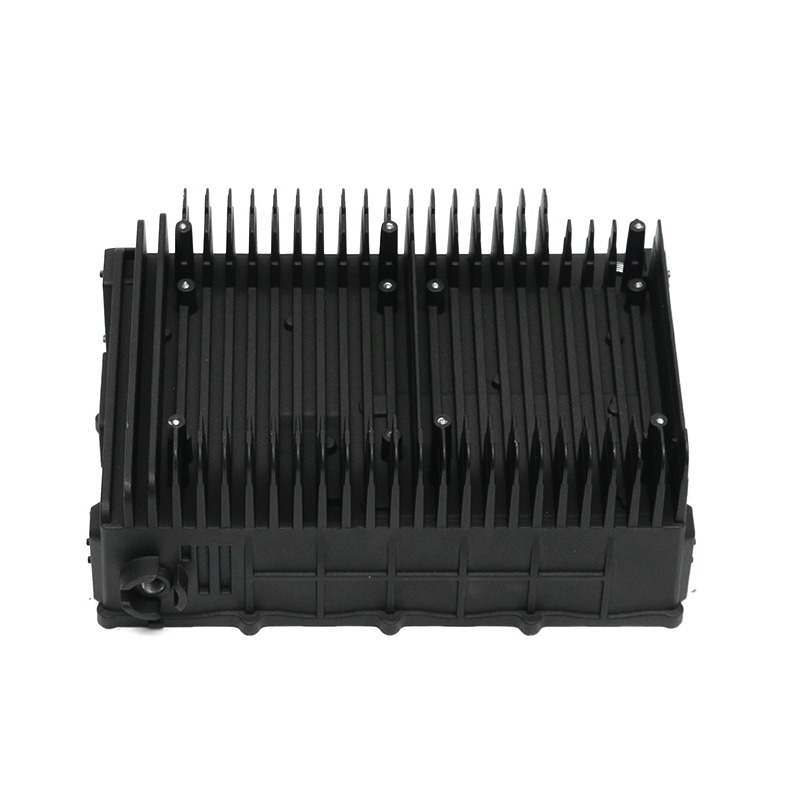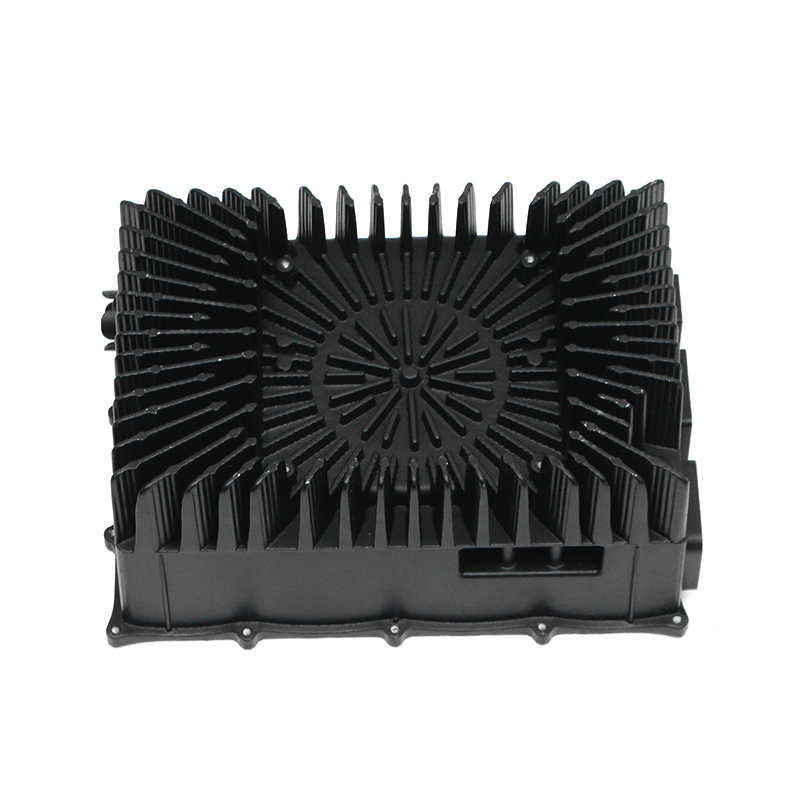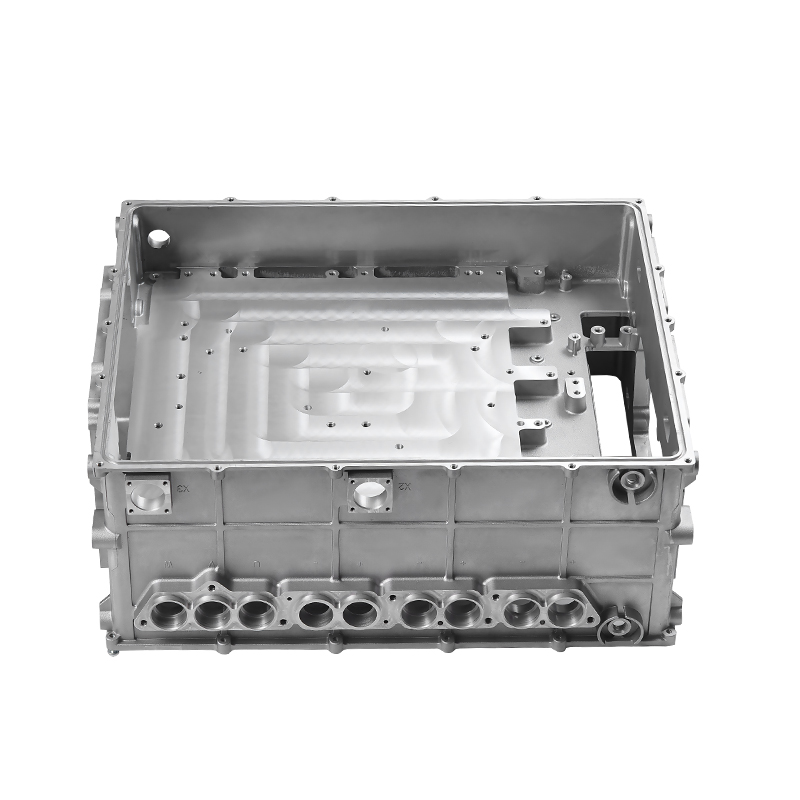


De rol van een autowaterpomp in het koelsysteem
De auto waterpomp is een sleutelcomponent in het koelsysteem. Het is voornamelijk verantwoordelijk voor het circuleren van de koelvloeistof, waardoor de koelvloeistof continu tussen de motor en de radiateur kan stromen en de warmte wordt afgevoerd die wordt gegenereerd tijdens de werking van de motor. De waterpomp levert stroom om de koelvloeistof naar verschillende onderdelen te transporteren die warmte moeten afvoeren, om zo de motor binnen een redelijk bedrijfstemperatuurbereik te houden en schade aan componenten of achteruitgang van de prestaties als gevolg van hoge temperaturen te voorkomen.
Rijmodus van autowaterpomp
De car water pump is usually driven by the engine, and the driving mode mainly includes two forms: belt drive and chain drive. In traditional internal combustion engines, most water pumps are driven by the engine crankshaft through a belt. As the engine speed changes, the speed of the water pump also changes, thereby adjusting the flow rate of the coolant. Electronic water pumps are also used in some models, which are driven separately by electric motors to more flexibly control the coolant flow and pressure and improve the working efficiency of the cooling system.
Koelvloeistofcirculatiepad
Wanneer de waterpomp werkt, wordt de koelvloeistof uit de bodem van de watertank of radiateur gezogen, onder druk gezet door de waaier van het pomplichaam en vervolgens naar de watermantel van het motorcilinderblok en de cilinderkop getransporteerd. De koelvloeistof circuleert in het cilinderblok en de cilinderkop en absorbeert de warmte die ontstaat wanneer de motor draait. De verwarmde koelvloeistof stroomt naar de radiator, waar het door lucht wordt gekoeld en vervolgens terugkeert naar de waterpomp, waardoor een continue cyclus ontstaat om de motortemperatuur in evenwicht te houden.
Coöperatief werk van thermische controlecomponenten
De thermostat plays an important control role in the process of the water pump pushing the coolant circulation. When the engine is just started or the temperature is low, the thermostat is in the closed state, and the coolant circulates in the engine in a small cycle, allowing the engine to quickly heat up to the normal operating temperature. When the temperature rises to the set value, the thermostat opens, the large cycle begins, and the coolant flows through the radiator to cool down, and then is pushed back to the engine by the water pump. This process ensures that the engine can maintain a suitable temperature under different working conditions.
Aanpassing van de koelvloeistofstroomsnelheid
De flow rate of a mechanical water pump mainly depends on the engine speed. The higher the speed, the faster the flow rate, and the lower the speed, the slower the flow rate. This method has a simple structure, but low adjustment flexibility. Some models are equipped with electronic water pumps, which can accurately adjust the coolant flow rate and pressure through the control unit according to the engine load, temperature and other working conditions to improve the efficiency of the cooling system and reduce energy consumption. This design is more suitable for models with higher energy-saving requirements or more complex engine thermal management.
Warmtedissipatie hulpfunctie van waterpomp
Naast de basiscirculatiefunctie helpt de waterpomp het koelsysteem ook om de koelvloeistofstroom van componenten zoals radiatorventilatoren en verwarmingstanks te realiseren. In de winter stroomt de koelvloeistof door de verwarmingstank om warmte naar het autocompartiment over te dragen en zo warme lucht voor de auto te leveren. De waterpomp zorgt voor de koelvloeistofstroom tussen alle warmteafvoer- en verwarmingscomponenten om ervoor te zorgen dat de temperatuur van de motor en het passagierscompartiment geschikt is.
Impact van storingen op het koelproces
Als de waterpomp defect raakt, zoals slijtage van het rotorblad, schade aan lagers of defecte afdichtingen, wordt de koelvloeistofcirculatie geblokkeerd, waardoor de motor oververhit raakt. Wanneer de koelvloeistofstroom vertraagt of stagneert, kan de warmte niet op tijd worden afgevoerd en kan de abnormale temperatuurstijging problemen veroorzaken zoals vervorming van de cilinderkop en het verbranden van de cilinderpakking. Daarom is de normale werking van de waterpomp cruciaal voor de algehele werking van het koelsysteem.
De coordination between the water pump and other components of the cooling system
De water pump is not an isolated component. It works closely with the radiator, thermostat, coolant pipeline, expansion tank, etc. As a whole, the cooling system relies on the water pump to provide power to ensure the circulation of the coolant. At the same time, it releases heat through the radiator, adjusts the flow direction through the thermostat, and maintains pressure balance through the water tank, which together constitute a complete engine thermal management system.
Prestaties van de waterpomp onder speciale werkomstandigheden
Onder de omstandigheden van langdurige werking met hoge belasting, omgeving met hoge temperaturen of veelvuldig starten en stoppen, neemt de werklast van de waterpomp toe en zijn de vereisten voor de koelvloeistofcirculatie hoger. Een efficiënt waterpompontwerp en een redelijke lay-out van het koelvloeistofstroompad helpen om onder deze omstandigheden een normale warmteafvoer van de motor te garanderen en thermische vermoeidheid en oververhitting te verminderen.