

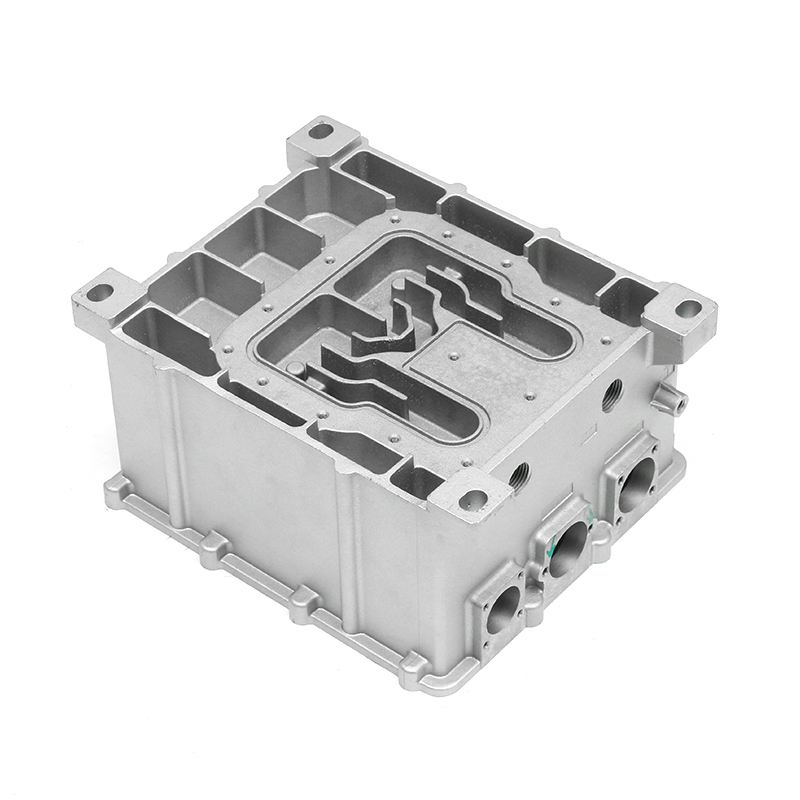
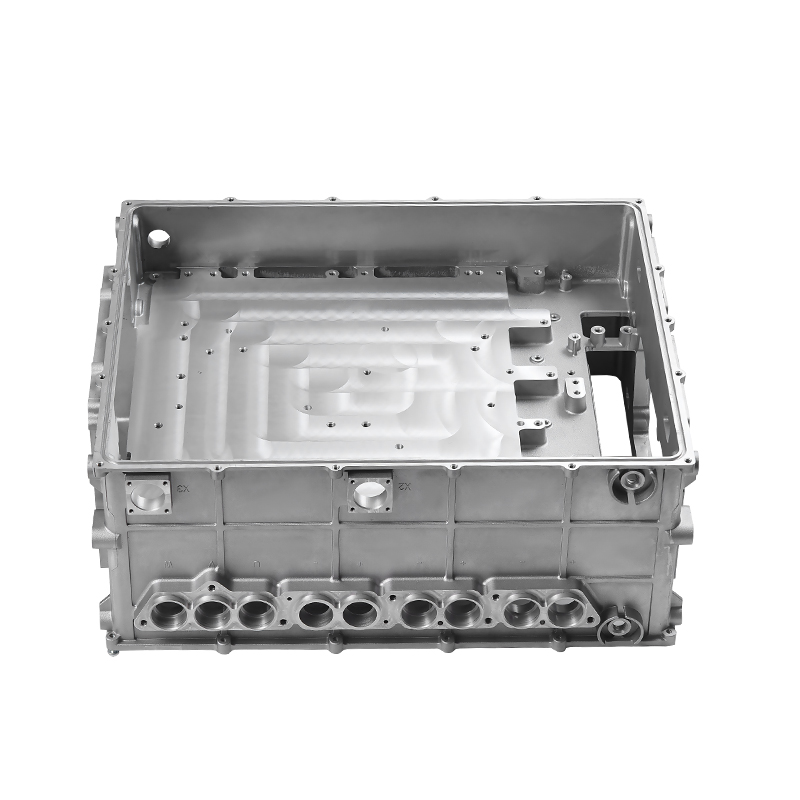
De versnellingsbak behuizing speelt een sleutelrol in het versnellingsbaksysteem. Het draagt niet alleen het complexe interne versnellingsmechanisme en smeersysteem, maar speelt ook een belangrijke rol in het warmteafvoerproces. De versnellingsbak genereert tijdens bedrijf warmte, die voornamelijk afkomstig is van de wrijving van de tandwielen, de werking van de lagers en de circulatie van de smeerolie. Een redelijke behuizingsstructuur kan het warmteafvoereffect effectief verbeteren, waardoor de algehele werkprestaties van de versnellingsbak worden verbeterd.
De material selection of the housing has a certain influence on the heat dissipation performance. Usually, metal materials with good thermal conductivity are used so that the housing can quickly conduct and dissipate the heat generated inside. In addition, the thickness and density of the housing will also affect its heat dissipation capacity. The appropriate wall thickness can take into account both strength and thermal conductivity, so that the heat can be evenly transferred outward without accumulating in local areas.
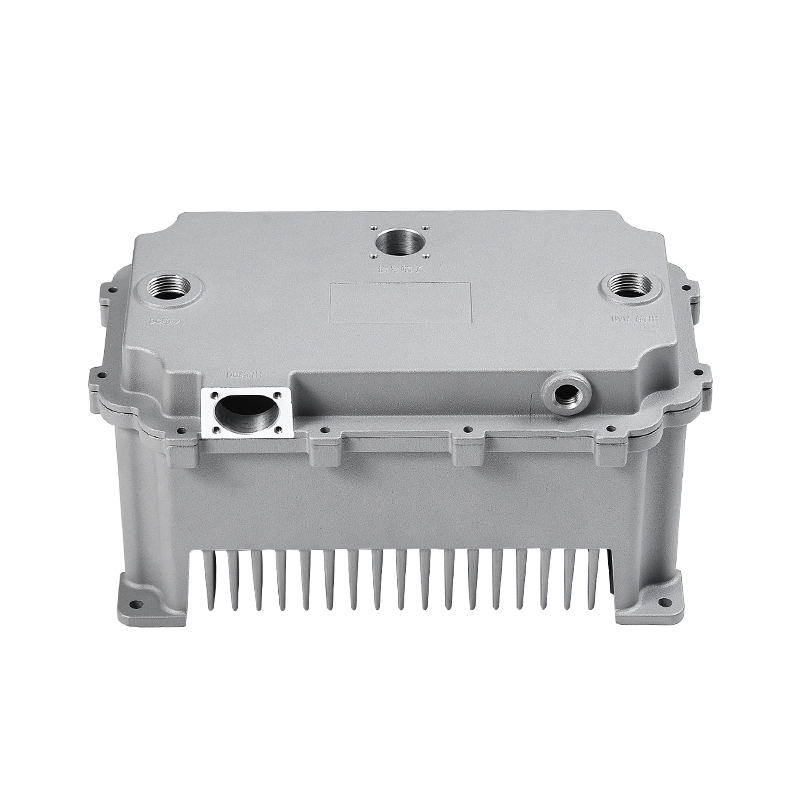
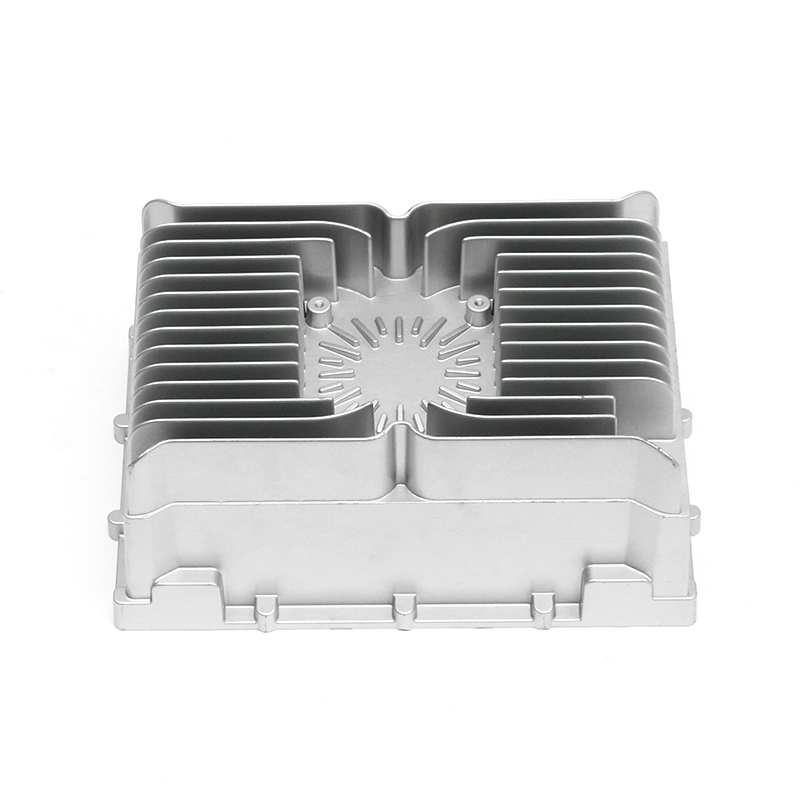
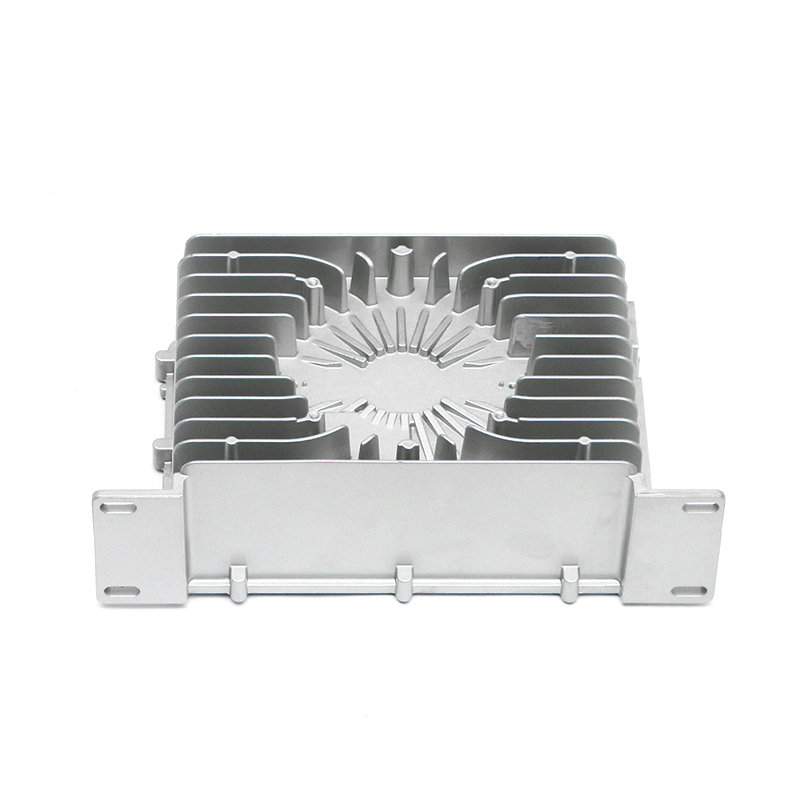
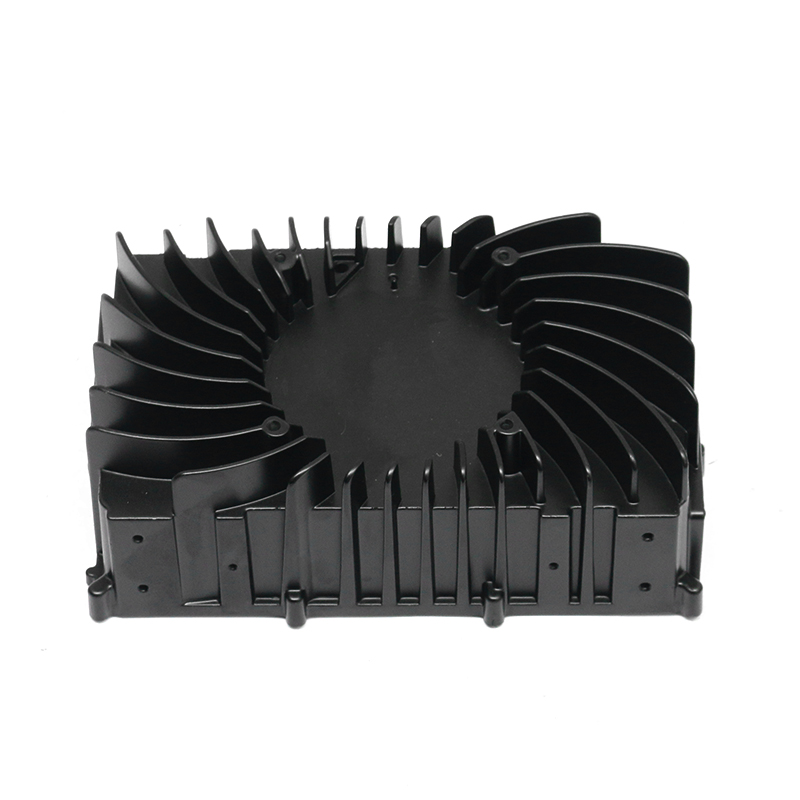
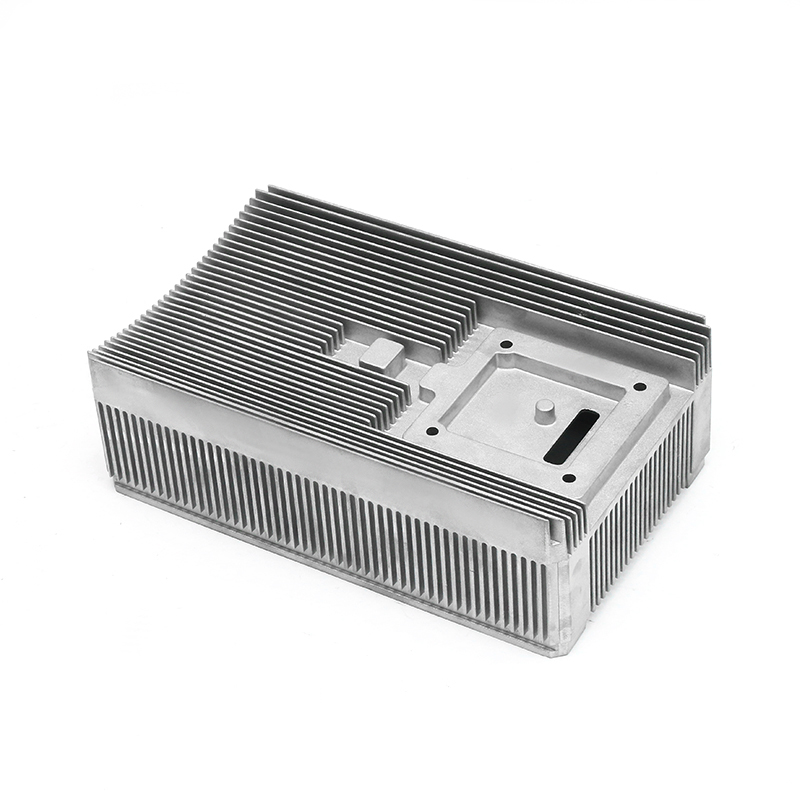
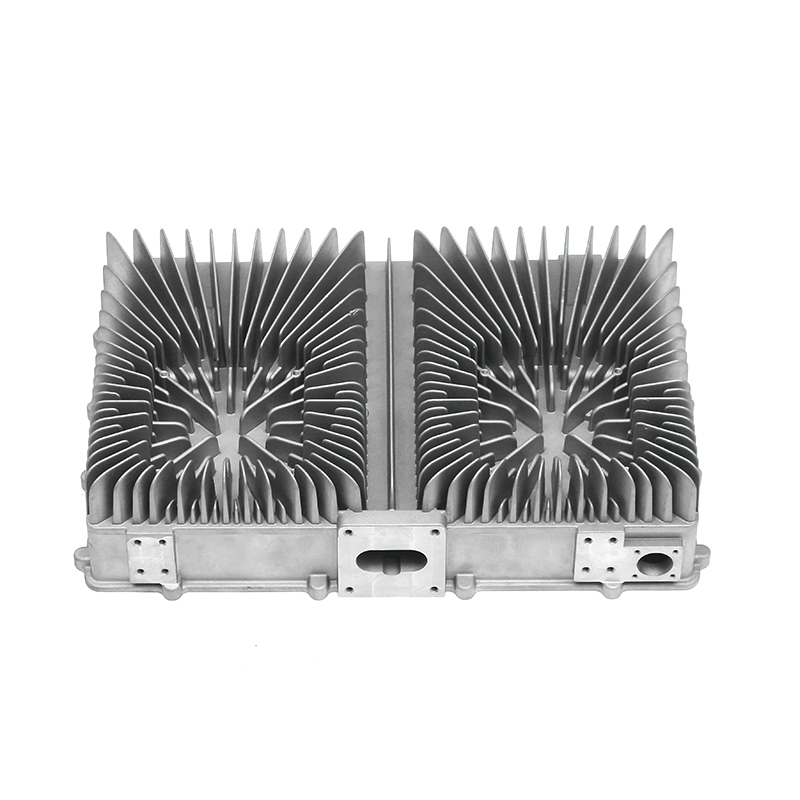
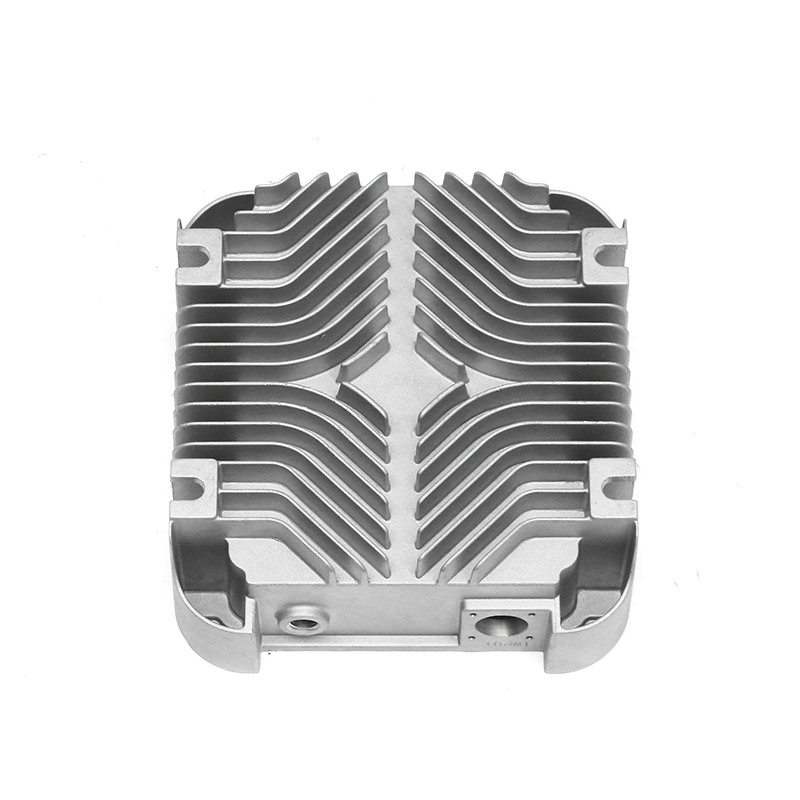
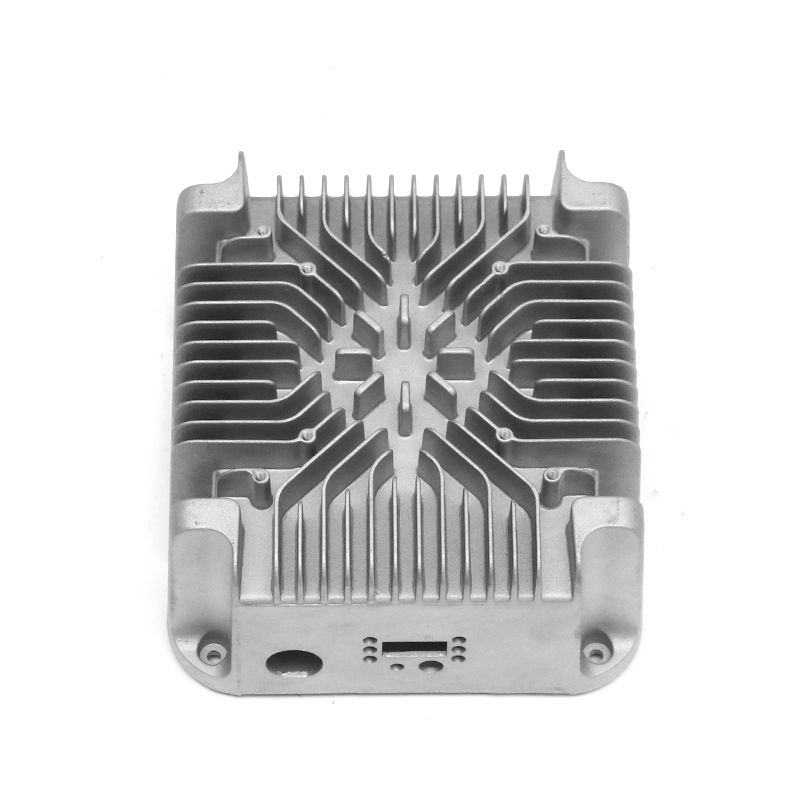
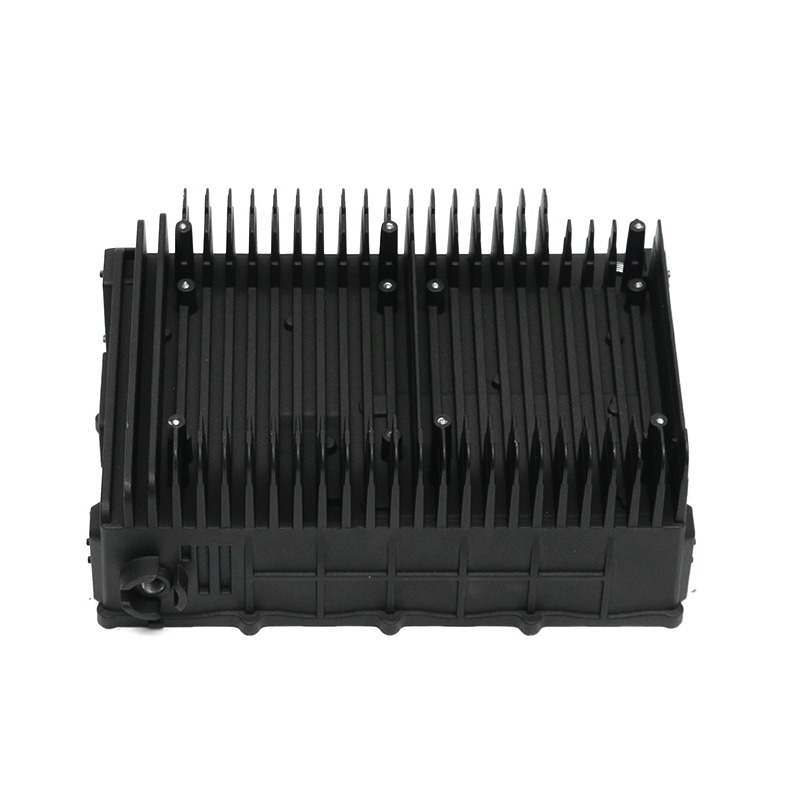
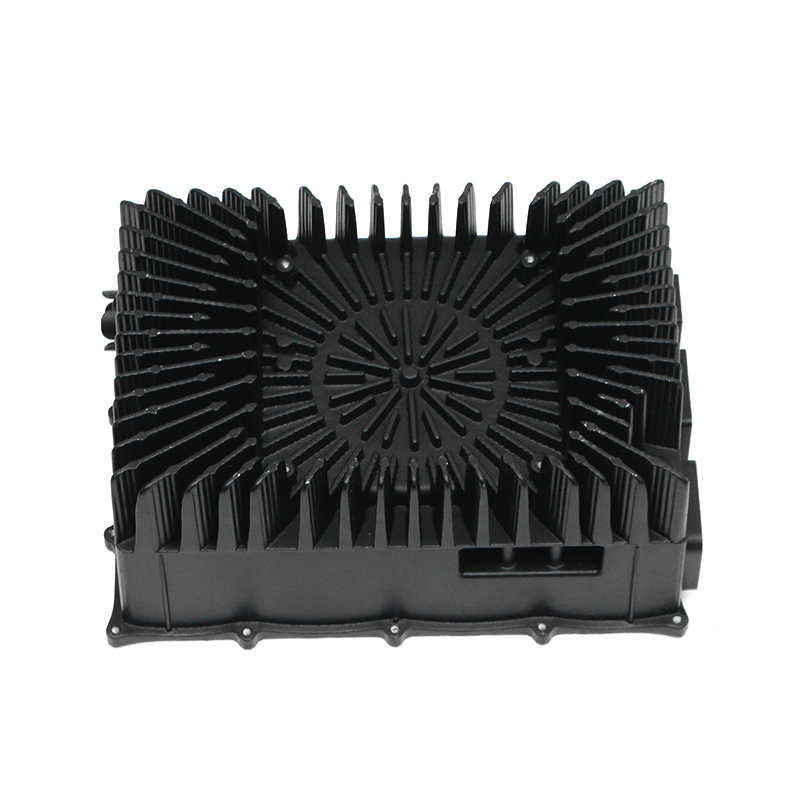
Wat het externe ontwerp van de behuizing betreft, kan de optimalisatie van de warmtedissipatiestructuur de efficiëntie van de warmteafgifte effectief verbeteren. Het oppervlak heeft een specifiek ontwerp, zoals warmteafvoerribben of koellichamen, zodat het contactoppervlak van de behuizing wordt vergroot, waardoor de snelheid van de warmtediffusie naar buiten wordt versneld. Deze methode kan niet alleen de interne temperatuur van de versnellingsbak verlagen, maar ook de verslechtering van de smeerolieprestaties als gevolg van hoge temperaturen verminderen, waardoor de levensduur van de versnellingsbak wordt verlengd.
De design inside the housing also has an important influence on the heat dissipation effect. Reasonable oil channel design allows lubricating oil to circulate efficiently between gears and bearings, so that the heat generated by friction can be removed in time. Smooth oil channels reduce the situation of local overheating, so that the inside of the gearbox remains in a relatively stable working state. Some housings are also equipped with a guide structure inside to guide air or lubricating oil to flow along a specific path, so that heat can be evenly diffused and prevent the appearance of high-temperature areas.
De ventilation design of the gearbox housing also plays a positive role in the heat dissipation process. Reasonable air inlets and outlets allow air to circulate around the housing to accelerate the dissipation of heat. For some gearboxes that require additional heat dissipation, cooling devices such as oil cooling systems will also be equipped, so that the lubricating oil can take away heat more efficiently and further improve the heat dissipation performance.
Wat de installatie betreft, zullen de indeling en bevestigingsmethode van de behuizing ook het warmteafvoereffect beïnvloeden. Redelijke installatiehoeken kunnen het warmteafvoeroppervlak blootstellen aan een gebied dat meer bevorderlijk is voor de luchtcirculatie en de warmteaccumulatie verminderen. Bovendien moet bij het matchende ontwerp met andere componenten ook rekening worden gehouden met de vereisten voor warmteafvoer om te voorkomen dat de vloeibaarheid van de lucht wordt aangetast, om ervoor te zorgen dat het hele systeem efficiënt kan werken.

Aanbevolen producten
Producten van bekende bedrijven worden diep vertrouwd door gebruikers.

PRODUCTEN
OVER ONS
CONTACTINFORMATIE.
- +86-18657487998
+86-17706881251 - +86-574-86886999
- [email protected]
- Nr. 19, Laoshan Road, Beilun District, Ningbo City, provincie Zhejiang, China

Auteursrecht © 2024 Ningbo Fenda New Energy Technology Co., Ltd. Alle rechten voorbehouden.
